

Sometimes the problem is not a lack of data. It is a lack of clarity. Every system generates reports, yet decisions still feel reactive. You rely on instinct, and when numbers do arrive, they are often late or hard to trust. This is where an offshore data analyst is increasingly becoming relevant for small businesses trying to turn data into decisions.
At the same time, hiring a local data analyst in Australia is difficult to justify. Salaries are high, workloads are uneven, and finding someone with both technical and commercial skills is challenging. For many SMEs and healthcare businesses, the role feels too expensive for the value it delivers.
This is why the conversation is shifting. Hiring an offshore data analyst is no longer just about cost. It is becoming a way to access capabilities that small businesses cannot easily build in-house.
Data Without Insight and Why Data Analysts Matters
Most businesses already have reporting, but that does not mean they have insight. Reports exist, yet they rarely drive decisions. Instead, they sit in spreadsheets or dashboards reviewed after the fact, without clear direction.
In many SMEs, manual spreadsheets still dominate. Data is compiled by different people using different assumptions, which creates inconsistency and hesitation. When you do not trust the numbers, you delay decisions or fall back on instinct. An offshore data analyst helps bring structure and consistency to this process.
In healthcare, the stakes are higher. You are managing patient demand, staffing, billing, and compliance. Without clear and timely visibility, small inefficiencies quickly affect both service delivery and financial performance. This is where an offshore data analyst can provide reliable, ongoing insight.
Why Hiring In-House Often Doesn’t Work
Hiring a local analyst seems logical, but often creates friction. Salary expectations in the Australian market are high, and the cost is hard to justify against the actual workload, especially for SMEs.
Even when you hire well, underutilisation becomes an issue. Most SMEs do not have enough consistent data to sustain a full-time role. In contrast, an offshore data analyst can scale with your needs without creating unnecessary overhead.
There is also a skill gap. Data work spans cleaning, dashboarding, and analysis. It is rare to find one person who does all of these well. This is why many businesses turn to offshoring to those who already have specialised experience across these areas.
What an Offshore Data Analyst Actually Does
A strong offshore data analyst makes your data usable and reliable. They clean and structure data so systems align and outputs are consistent. This foundational work is often overlooked internally due to time constraints.
They build dashboards that reflect how your business actually runs. These are practical tools showing revenue, utilisation, patient flow, or pipeline performance in a clear way that supports action, not just reporting.
They also automate reporting and support forecasting. This reduces manual work and improves decision speed. Instead of chasing numbers, you receive consistent insights that help you plan with more confidence.
Cost vs Capability Shift
Focusing only on cost misses the point. The real shift is access to capability. An offshore data analyst brings skills and experience that are often out of reach for SMEs hiring locally.
Many offshore analysts specialise in specific tools and systems, bringing structure and consistency to your data. This level of focus is difficult to achieve with a single in-house hire expected to cover everything.
From a commercial perspective, working with an offshore analyst means you are not just reducing cost. You are improving the quality and reliability of your data capability, which directly impacts how you make decisions.
Speed and Consistency
One immediate benefit of working with an offshore analyst is speed. Reporting becomes regular and predictable rather than reactive. Dashboards update consistently instead of relying on manual compilation.
Consistency also builds trust. When metrics are reported the same way each time, confidence in the numbers improves. This reduces internal debate and allows you to focus on action.
Over time, this changes how your business operates. Faster access to reliable data leads to faster decisions, especially in environments where timing affects revenue, capacity, and service delivery.
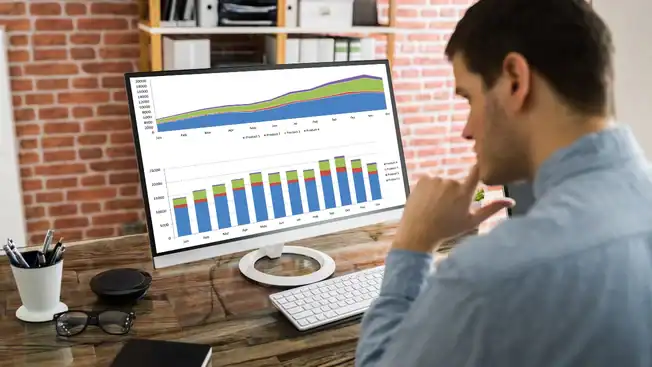
The Impact of an Offshore Data Analyst on Decision-Making
Better data leads to better decisions. With the support of an offshore data analyst, you gain clear visibility on performance and can adjust pricing, staffing, and operations with more confidence.
Forecasting also improves. Structured data allows you to model scenarios and understand outcomes before acting, which is critical in healthcare environments managing demand and resources.
You also gain clearer visibility on what is working and what is not. This allows you to act earlier and allocate resources more effectively, improving both profitability and service quality.
Why an Offshore Data Analyst Matters for Small Businesses
Small businesses have less margin for error. Each decision carries more weight, which makes reliable data more valuable. This is why access to an offshore data analyst can have a disproportionate impact.
At the same time, teams are often stretched. Adding headcount is not always practical, especially when the workload is inconsistent. An offshore data analyst gives you leverage without adding unnecessary overhead.
This allows you to strengthen decision-making while keeping your cost base under control, which is critical in the current environment of wage and margin pressure.
Common Mistakes When Hiring an Offshore Data Analyst
Offshoring works best with the right setup. One common issue is poor data structure. If inputs are inconsistent, outputs will be too, regardless of how skilled your offshore data analyst is.
Another issue is a lack of clarity. Without defined KPIs, even a strong offshore data analyst will default to generic reporting, which limits value.
There is also a tendency to treat the offshore data analyst as a report generator. This limits impact. The real value comes from using their work to inform decisions, not just produce reports.
Offshore Data Analyst as a Core Business Function
An offshore data analyst is no longer just a cost option. They are becoming a core part of how small businesses build capability in a challenging labour market.
With rising wage pressure, margin pressure, and limited access to local talent, SMEs need practical ways to improve performance. Data is central to that, but only if it is used effectively.
The question is not whether you need better data capability. It is about how to access it in a way that fits your business. For many SMEs and healthcare organisations, an offshore data analyst is a practical and commercially sound answer.
If you are exploring how to strengthen your data capability, you are welcome to reach out. We are always open to sharing practical insights and helping you work out what structure makes sense for your business. Even a short conversation can bring clarity on what to do next.