
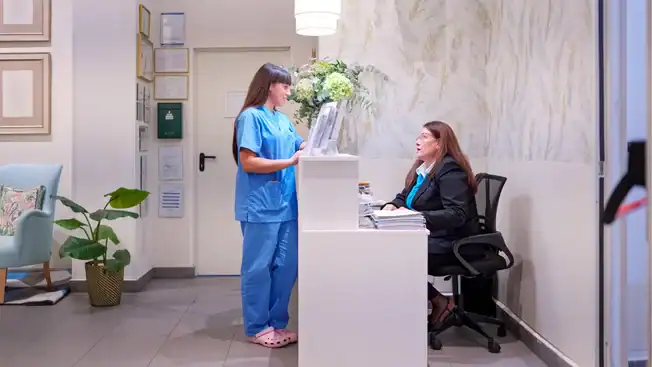
Running a clinic today is not simple. Wages are rising. Skilled medical support staff are harder to find. Patient demand keeps growing. At the same time, your team is stretched thin. Receptionists juggle calls, emails, bookings, and billing. Nurses and practice managers step in to cover gaps. Highly paid staff end up doing low-value admin work just to keep things moving.
This is where the real pressure sits, not just in costs, but in capacity. If your team is busy but still falling behind, the issue is not effort; it is structure. Delegation is no longer optional. It is a commercial decision.
The Hiring Reality for Medical Support Staff in Clinics
Across Australia, clinics face the same pattern. You try to hire local medical support staff. The process takes longer. Salary expectations are higher. Good candidates have multiple offers. Even when you hire well, retention becomes the next challenge. Burnout is real. Admin-heavy roles have high turnover.
This creates a cycle:
- You hire to solve pressure
- The workload remains admin-heavy
- Your team disengages or leaves
- You hire again
Meanwhile, your cost base keeps rising. For many clinics, the problem is not a lack of medical support staff. It is how work is structured across your team.
The Hidden Cost of Overloading Medical Support Staff
When admin work stays onshore, it does not disappear. It simply shifts. Your front desk absorbs more tasks. Your clinicians get interrupted. And your practice manager spends time on operational catch-up instead of improving the business.
Over time, this impacts:
- Patient experience (longer wait times, missed calls)
- Revenue (unfilled appointments, delayed billing)
- Staff wellbeing (stress and fatigue)
You are paying skilled medical support staff to do work that does not require their level of expertise. That is where offshore support becomes practical, not just economical.
10 Time-Consuming Tasks You Can Delegate to Offshore Medical Support Staff
The key is not outsourcing everything. It is identifying repeatable, process-driven tasks that drain time.
Here is where most clinics start.
1. Appointment Scheduling and Rescheduling
This is high-volume and repetitive. It follows clear rules. With the right systems and scripts, offshore medical support staff can manage bookings efficiently and consistently.
2. Patient Reminder Calls and Follow-Ups
No-shows cost more than most clinics realise. Reminder calls and follow-ups are simple but time-consuming. Delegating this improves attendance and frees up your team.
3. Data Entry and Patient Record Updates
Accurate records matter. But the process is admin-heavy. Offshore medical support staff can manage updates, file notes, and maintain records with proper training and clear protocols.
4. Medical Billing and Invoice Processing
Billing is critical but repetitive. With structured workflows, offshore medical support staff can handle invoicing, reconciliation support, and basic billing tasks without disrupting your operations.
5. Insurance and Claims Processing
Claims involve back-and-forth communication and documentation. This work can be standardised. Offshore staff can manage submissions, follow-ups, and status tracking.
6. Handling General Patient Enquiries
Phones. Emails. Online enquiries. These take up a large part of your front desk’s day. Delegating routine queries allows your local team to focus on in-clinic patient care.
7. Managing Emails and Admin Backlogs
Inbox overload is common in clinics. When emails pile up, response times slow down. Offshore medical support staff help you stay responsive and organised.
8. Reporting and Basic Admin Documentation
Daily and weekly reports often get delayed. Not because they are difficult, but because no one has time. Offshore staff can prepare reports, maintain logs, and support compliance documentation.
9. IT Support Coordination (Basic Issues)
Not every IT issue needs a technician. Logging tickets, resetting passwords, and coordinating with providers can be handled by offshore medical support staff, reducing pressure on your internal team.
10. Calendar and Staff Scheduling Support
Rosters, shift changes, and leave tracking take time. With clear guidelines, offshore staff can manage scheduling support and reduce errors.

What You Gain by Leveraging Medical Support Staff Offshore
This is not just about saving money. It is about how your clinic operates. When you shift low-value tasks away from your core team, you create space.
You gain:
- More time for patient care
- Faster response times
- Better appointment utilisation
- Reduced staff burnout
- Improved team focus
Most importantly, your experienced medical support staff can work at the level they were hired for. That is where real value sits.
Culture and Retention Still Matter
One concern we often hear is this:
“Will offshore support affect our culture?”
It depends on how you implement it. If offshore staff are treated as separate or transactional, the model struggles.
But when offshore medical support staff are integrated into your team, with clear roles, communication, and accountability, they become part of your operation.
Your onshore team feels the difference quickly. Less pressure. Fewer interruptions. More control over their day. That is what improves retention.
Addressing Common Concerns About Offshore Medical Support Staff
It is reasonable to pause before making this shift. Most clinic owners do. Here are the key concerns, and how to think about them.
Data security
This comes down to systems and governance, not geography. With the right platforms, access controls, and protocols, offshore teams can meet the same standards as local staff.
Quality control
Quality is driven by process, training, and oversight. Clear workflows and performance tracking matter more than location.
Patient experience
Patients care about responsiveness and clarity. If calls are answered promptly and information is accurate, the experience improves, not declines.
A Practical Way to Start with Offshore Medical Support Staff
You do not need to overhaul your entire clinic. Start small.
Pick one or two functions that:
- Are repetitive
- Have clear steps
- Take up significant time
Document the process. Define expectations. Then test with the right offshore medical support staff. Measure the impact. Adjust as needed. This approach reduces risk and builds confidence across your team.
Final Thought
Delegation is not about replacing your staff. It is about protecting their time and improving how your clinic runs. Right now, many clinics are at full capacity but still falling behind. That is not sustainable.
When you restructure how work gets done, you create breathing room for your team, your patients, and your business. If your current setup is starting to feel stretched, it may be time to explore a different model.
Offshore medical support staff are not a shortcut, but when used well, they are a practical next step. If you are unsure where to start, we can help you assess your setup, identify capacity gaps, and determine if this approach makes sense. If it does, we will help you find the right people who fit your workflows and culture. If it does not, you will still gain clear, practical next steps.